
 Despite the clear trend towards greater adoption of mobile devices by businesses and consumers, a new study finds that many businesses are not taking full advantage of the opportunities created by this trend—especially in sales and marketing.
Global smartphone shipments continue to rise, driven by operator subsidies, lower barriers to adoption with the introduction of lower-cost models, and greater choices afforded by vigorous competition from companies such as Apple, RIM, Microsoft, and Google. Not far behind is the rising interest and adoption of other mobile devices, such as tablets with the success of Apple’s iPad.
Despite this trend, a new study by eROI, an online marketing agency, finds that many businesses are not taking full advantage of the opportunities it creates—especially in sales and marketing. The company surveyed 500 businesses, and the majority cited lack of resources and little understanding of what needs to be done as the major barriers to capitalizing on the trend. This, despite findings which show 91 percent of the population use mobile devices, with 23 percent using smartphones that make extensive use of online services.
Companies would benefit from looking at how these trends can be leveraged for building a strategy toward reaching new customers, engaging current customers, and creating rich experiences for both. Some examples from early pioneers in this area: building versions of their website that can be viewed comfortably on mobile devices, using services that make extensive use of social networks and location-based services such as Facebook and FourSquare that work well with mobile devices, and even building custom applications to provide a new channel for reaching and serving customers.
Companies can start small with pilot projects then work from there to see which work best for their businesses.

 The continued exploit of many vulnerable applications that have been fixed by vendors for over a year highlight the need to keep software updated with the latest versions and patches.
 Mozilla implements new initiatives to ensure the security of its browser to fix the main security holes, and this brings Firefox’s latest version to 3.6.7
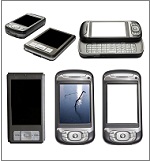 With mobile devices becoming a staple in business dealings these days, it’s high time companies enact policies for mobiles that will not only help them cut costs, but keep their information and data safe as well. Experts outline several tips to help you achieve this.
 Barely a month after a Google engineer disclosed a critical vulnerability in Windows XP, hackers have taken launched an attack on vulnerable machines.
 The recent fever over the FIFA World Cup made unsuspecting victims an easy target for malware makers, spammes, and scammers using the sport as a means to spread nefarious software or lure users into money-making scams.
 Implementing a client-server network and maintaining it with Managed Services can help small to medium-sized businesses prevent data loss events, which lead 43 percent of such businesses to close within two years.
 Are you getting a “USB device not recognized” error for a USB mouse, keyboard, or other USB device? Already tried normal fixes, such as uninstalling and reinstalling the driver, but it’s still not working? A possible solution may surprise you.
 Work no longer has to be a place your employees go at a certain time. Learn what technologies can enable your employees to get more done from any location, any time.
 Client-server networks can help employees perform 20 percent more revenue-producing tasks. For small to medium businesses that may not be able to afford a dedicated IT staff, outsourcing may be the most cost-effective means of installing and maintaining such a network.


